Dental implants help greatly to restore your smile, but you may need a bone graft before getting them. If you’re wondering why this step is sometimes necessary, then wonder no more!
In this article, we’ll go through what a bone graft is, why it might be needed before getting dental implants, and what you can expect from the process.
What Is a Bone Graft and Why Might You Need One?
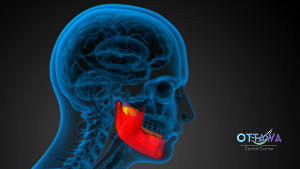
A bone graft is a procedure that helps rebuild bone in areas where it has been lost or weakened. Sometimes, when you lose a tooth, the bone that supports it can shrink or deteriorate after some time. Without enough bone, a dental implant cannot be secured in place.
This is where a bone graft comes in—it provides the necessary support to ensure your implant has a solid foundation.
There are several reasons why you might need a bone graft before getting dental implants:
- Bone Loss Due to Missing Teeth: When a tooth has been missing for a long time, the jawbone can start to shrink. A bone graft helps restore the lost bone so the implant that will be placed has enough support.
- Gum Disease: Advanced gum disease can also cause bone loss around the teeth, making a bone graft necessary before placing implants.
- Trauma or Injury: Injuries that affect your mouth and jaw can lead to bone loss, which may need to be rebuilt with a graft before proceeding with dental implants.
Types of Bone Grafts
There are different types of bone grafts that a dentist might recommend, depending on your needs:
- Autograft: This type of graft uses bone procured from another part of your body, such as your jaw or hip. It’s often considered the gold standard since it is your tissue, eliminating the chance of rejection.
- Allograft: This graft uses bone from a donor, usually processed and sterilized to make it safe for use. It’s a common choice for dental procedures.
- Xenograft: This type uses bone from an animal source, typically a cow. It is also carefully processed to be safe and effective.
- Synthetic Graft: Synthetic bone materials are also available. They can help stimulate natural bone growth and secure the implant.
Your dentist will help determine which type of bone graft is ideal for your needs based on your health, bone condition, and personal preferences.
Do You Always Need a Bone Graft for Dental Implants?
Not everyone needs a bone graft before getting dental implants. If you’ve only recently lost a tooth and your jawbone is still strong and healthy, you might be able to get an implant without needing a graft.
The best way to find out if you need a bone graft is to consult your dentist. They will take X-rays and maybe even a CT scan to evaluate the condition of your jawbone and determine whether there is enough bone mass to support an implant.
The Bone Grafting Process: What to Expect
If your dentist determines that you need a bone graft, here’s what you can expect from the process:
- Initial Consultation: Your dentist will explain why the bone graft is necessary and discuss the type they recommend.
- Procedure: The bone grafting procedure can often be done in your dentist’s office under local anesthesia. The dentist will make a small incision in your gums to expose the area that needs the graft, then place the bone material and secure it.
- Healing Time: After the bone graft, it takes time for your body to heal around and accept the new bone. This process can take 3 to 6 months, depending on your overall health and the extent of the graft.
- Follow-Up for Implants: Once the bone has fully integrated, you can proceed with the dental implant procedure. Your dentist will confirm that the graft has healed completely before moving forward.
Statistics on Bone Grafting and Implants
- According to the American Academy of Implant Dentistry (AAID), over 500,000 dental implants are placed each year in the United States alone.
- Studies suggest that up to 50% of patients who need dental implants also require some type of bone graft to ensure success.
Benefits of a Bone Graft Before Dental Implants
A bone graft can make a big difference when it comes to getting dental implants. Some of the benefits include:
- Better Implant Stability: The graft provides a stable foundation, ensuring that your implant is secure and functions well for years to come.
- Enhanced Appearance: Bone grafting can restore the natural shape of your jawline, improving facial aesthetics, especially in areas where significant bone loss has occurred.
- Prevention of Further Bone Loss: A graft not only helps with implant placement but also stimulates bone growth, which can prevent further bone loss in the future.
Frequently Asked Questions About Bone Grafts
- Is a Bone Graft Painful?
Most patients report minimal discomfort during the procedure. Afterward, you may experience some soreness, which can be managed with over-the-counter pain relievers. - How Long Does it Take to Heal?
Healing times vary, but most patients heal in about 3 to 6 months. Complete healing needs to be confirmed before dental implants can be placed. - Is it Safe?
Yes, bone grafting is generally a safe procedure. Complications are rare, and your dentist will ensure you’re a good candidate before proceeding.
Take the Next Step Toward a Healthy Smile
If you’re considering dental implants but aren’t sure if you need a bone graft, it’s important to schedule a consultation.
Our experienced team is here to guide you through the process, answer all your questions, and provide the care you need to achieve a healthy and beautiful smile.
Don’t let missing teeth hold you back—contact us today to book your appointment and start your journey to a confident smile!