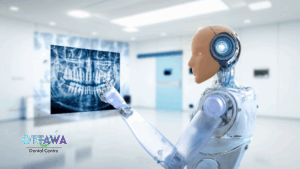
There’s a transformative shift happening in healthcare as artificial intelligence (AI) begins to play a significant role in the early detection of oral cancer. As you navigate your oral health, understanding how AI algorithms analyze patterns and identify abnormalities can empower you to take proactive steps.
These advanced technologies enhance diagnostic accuracy and offer faster results, ultimately helping your healthcare provider address potential issues at their earliest stages. By leveraging AI, you can stay informed and engaged in your journey towards maintaining optimal oral health.
The Technological Framework: AI Innovations in Diagnostic Tools
Numerous advances in artificial intelligence are reshaping the landscape of diagnostic tools for oral cancer detection. By leveraging sophisticated algorithms and cutting-edge imaging technologies, these innovations enhance early detection and improve patient outcomes.
The synergy between AI and traditional diagnostic methodologies leads to a more accurate understanding of precancerous conditions, enabling you, as a healthcare professional, to provide timely interventions. This technological evolution streamlines the diagnostic process and empowers you to make data-driven decisions, ultimately benefiting your patients’ health.
Machine Learning Algorithms and Data Analysis
Machine learning algorithms analyze vast datasets to identify patterns that may go unnoticed by the human eye. By training these systems on a multitude of medical records and imaging data, they become proficient in predicting the likelihood of oral cancer in patients based on subtle clinical indicators.
“Machine learning doesn’t just uncover hidden patterns—it equips dentists with a way to prioritize patients who need urgent care, making our interventions more targeted and effective.” – Dr. Gus Bal
The use of predictive analytics allows you to prioritize high-risk individuals and tailor follow-up procedures accordingly, significantly enhancing early intervention opportunities.
Imaging Technologies Enhanced by Artificial Intelligence
Imaging technologies have undergone a transformation with the integration of AI, allowing for the early detection of oral cancer with greater precision. For instance, AI-powered software can analyze dental X-rays, CT scans, and MRIs to detect anomalies at a microscopic level.
“By spotting cancerous changes at the cellular level, AI-driven imaging helps dentists initiate treatment at the earliest stages, ultimately improving survival rates and reducing long-term complications.” – Dr. Gus Bal
This capability not only aids in early diagnosis but also minimizes the chances of missed detections. The algorithms are designed to highlight areas of concern, prompting you to conduct further investigations, which sharpens diagnostic accuracy and leads to timely treatment interventions.
By incorporating deep learning techniques into imaging technologies, the accuracy of scans and detection rates continues to improve. AI has shown the potential to improve the sensitivity of detecting oral cancer in imaging evaluations, with some studies reporting increases from approximately 75% to above 85%, depending on the specific algorithm and dataset used.
As you utilize these enhanced imaging tools, they can flag lesions that might indicate early cancer stages, thereby guiding your clinical judgments more effectively. With consistent training and validation, these AI systems are becoming indispensable allies in the early detection of oral malignancies, ensuring that no significant signs are overlooked.
Early Detection: How AI Identifies Red Flags in Oral Cancer
AI technologies are designed to swiftly identify early warning signs of oral cancer, analyzing vast amounts of data and identifying patterns that may be overlooked by the human eye. Utilizing advanced algorithms, these systems can assess clinical images, patient histories, and demographic factors to flag potential cases.
By doing so, AI expedites the diagnostic process and increases the accuracy of identifying high-risk patients, ultimately leading to timely interventions and better outcomes.
Analyzing Patterns in Oral Tissues
AI systems analyze various characteristics in oral tissues, from unusual lesions to discoloration, helping to differentiate benign conditions from malignant ones. By employing machine learning techniques, these models learn from a multitude of cases, recognizing subtle variations indicative of early-stage oral cancer.
This capability enables healthcare providers to implement more precise screening processes and ensure that patients at risk receive appropriate attention.
Comparison with Traditional Diagnostic Methods
When compared to traditional diagnostic methods, AI shows significant promise in enhancing the accuracy and speed of oral cancer detection. Traditional methods often rely on visual examinations and biopsies, which can be subjective and time-consuming.
In contrast, AI can process and analyze data more efficiently, offering a data-driven approach that may lead to earlier detection and treatment. Preliminary research indicates that AI can help reduce false negatives by identifying cases that may be missed during standard clinical evaluations.
| Criteria | AI Diagnostic Methods |
| Speed | Rapid analysis, immediate feedback |
| Accuracy | Reduces false negatives; data-driven insights |
| Subjectivity | Objectivity through standardized data processing |
| Cost-effectiveness | Potentially lowers long-term treatment costs |
AI’s role in reducing false negatives and increasing diagnostic consistency sets it apart from traditional methods, which can be influenced by the examiner’s experience. While visual examinations remain a crucial component of the diagnostic process, their effectiveness can vary based on the clinician’s skill and the patient’s presentation.
AI’s ability to learn from extensive datasets aids in guiding practitioners to recognize patterns that may not be immediately visible, ultimately raising the standard of early oral cancer detection.
Real-World Impact: AI’s Role in Oncology Practices
Integration into Clinical Workflow
AI’s integration into clinical workflows streamlines oncology practices by assisting healthcare professionals with data analysis and patient monitoring. By incorporating AI tools, clinicians can quickly analyze large datasets from patient records and imaging, leading to a more efficient diagnostic process.
This seamless incorporation supports real-time decision-making, enabling you, as a practitioner, to focus more on patient care rather than spending extensive time on administrative tasks.
Improving Patient Outcomes through Early Intervention
AI has the potential to significantly enhance patient outcomes by facilitating early intervention strategies for those at risk of oral cancer. With powerful predictive analytics, you can identify high-risk patients, allowing you to recommend timely screenings and personalized treatment plans that can effectively halt disease progression.
“Timely intervention driven by AI allows dentists to catch oral cancer while it is still manageable, offering patients a better chance at long-term recovery and preserving their quality of life.” – Dr. Bal Gus
Early intervention not only increases survival rates by catching oral cancer at manageable stages but also reduces the need for aggressive treatments that often come with higher risks and side effects. For instance, studies have shown that patients diagnosed in the earliest stages of oral cancer can have a five-year survival rate of up to 80%.
Leveraging AI to triage patients effectively ensures that you deliver the right care at the right time, ultimately leading to a more favorable prognosis and a better quality of life for your patients.
Ethical Considerations and Challenges Ahead
As AI continues to transform oral cancer detection, ethical dilemmas must be addressed. Issues surrounding data privacy, informed consent, and the potential for bias in algorithms present significant challenges. Striking a balance between leveraging data for improved patient outcomes and respecting individual rights is necessary to foster trust in these advanced technologies.
Data Privacy Implications in Patient Care
Data privacy is paramount in ensuring patient trust when incorporating AI into healthcare. You must be aware that AI systems require vast amounts of data to function effectively. This means that sensitive patient information may be at risk.
Establishing robust protocols for data collection, storage, and usage is vital to protect patient confidentiality while enabling accurate and timely interventions.
The Human Element: Balancing AI and Healthcare Professionals
Integrating AI into your practice does not diminish the role of healthcare professionals; instead, it enhances it. While AI can analyze data rapidly and accurately, the nuanced understanding and empathy offered by medical practitioners remain irreplaceable.
Effective collaboration ensures AI tools complement your expertise rather than replace it, allowing you to focus more on patient interaction and less on administrative tasks.
AI’s primary purpose is not to replace healthcare professionals but to serve as an invaluable support system. When integrated thoughtfully, AI functions as a valuable tool that enhances clinical decision-making and contributes to improved patient outcomes.
For instance, in diagnosis and treatment decisions, AI can analyze vast datasets faster than any human, providing you with critical insights that inform your expertise. This symbiotic relationship allows you to dedicate more time to patient care and nurture relationships that are foundational to effective healthcare.
This approach to medicine ensures that patients receive both innovative technological benefits and the compassionate care they deserve.
Future Trends: The Evolution of AI in Oral Cancer Detection
The rapid evolution of AI technology is set to transform oral cancer detection significantly. As algorithms become more advanced, you can expect enhanced precision in early diagnosis, enabling healthcare professionals to catch malignant changes at even earlier stages.
The integration of AI with other healthcare innovations promises to create a more holistic approach to monitoring and treatment, empowering you to make informed decisions about oral health management.
Predictive Analytics and Risk Assessment
Predictive analytics, powered by AI, will play a pivotal role in assessing an individual’s risk for oral cancer by correlating clinical, lifestyle, and genetic data. By analyzing vast datasets, AI algorithms can identify patterns and correlations among various risk factors, such as genetic predispositions and lifestyle choices.
This means you could receive tailored recommendations and early screening opportunities based on individual risk assessments.
Collaborative Technologies Enhancing Diagnostics
Collaborative technologies are paving the way for more accurate diagnostics in oral cancer detection. With AI systems working alongside dental professionals and specialists, diagnostic errors can be minimized.
This integration fosters real-time feedback and discussion of diagnostic images, enhancing the collective knowledge base and helping you benefit from a comprehensive evaluation of your oral health.
In practice, collaborative technologies can incorporate telemedicine platforms that facilitate remote consultations, giving you immediate access to specialists. AI tools analyze your scans or images in conjunction with expert opinions, creating a more informed diagnostic environment.
This collaborative effort not only improves your treatment plan—by combining insights from both AI and human expertise work together to ensure that advancements in one area benefit the other, which leads to more effective and timely interventions for oral cancer.
Final Words
Understanding the role of AI in detecting early signs of oral cancer can significantly improve your health. By leveraging advanced technologies and algorithms, you gain access to more accurate and timely diagnoses, potentially improving your treatment options.
Staying informed about these advancements allows you to make proactive decisions regarding your oral health screenings and consults. Embrace these innovations, as they may empower you to recognize warning signs and act swiftly, ensuring that you prioritize your well-being effectively.
Take a Proactive Step Toward Your Oral Health
Early detection saves lives—and with the help of advanced AI technology, we’re making it easier than ever. If you have concerns about unusual changes in your mouth, or if it’s time for your routine screening, don’t wait.
Contact Ottawa Dental Centre today to schedule a consultation. Our expert team combines compassionate care with cutting-edge tools to help detect potential issues early—when they’re most treatable. Book Your Appointment Now!
Reviewed by: Dr. Gus Bal