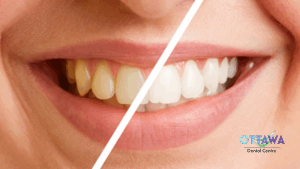
Over time, maintaining your dental health requires you to differentiate between tartar and stains on your teeth. Understanding these two dental concerns is imperative for deciding the best treatment options for a brighter, healthier smile.
Tartar and stains are two common issues that primarily affect the appearance of your teeth, though tartar can also impact oral health. These dental concerns can result from poor oral hygiene, dietary habits, or lifestyle factors such as smoking. In this guide, you’ll learn how to identify each issue, empowering you to take control of your oral care and make informed decisions about your dental hygiene.
Visual Identifiers: Distinguishing Color and Texture
Identifying tartar and stains involves keen observation of their visual characteristics. Tartar typically appears as hardened deposits on your teeth, often showing a yellowish or brownish color. Its texture is rough and chalky, making it feel gritty against your tongue.
In contrast, stains reside on the surface of your teeth, presenting in various shades, including brown or black. Their texture is usually smooth; they don’t create the same conspicuous buildup as tartar, making them easier to overlook at first glance.
The Telltale Signs of Tartar
Tartar manifests as a crusty accumulation that mainly sits above the gum line. You may notice the rough surface of tartar while regularly brushing and flossing, as it feels more resistant than stains.
While it often takes on a yellowish hue, it can also become a dark brown in severe cases. Once tartar forms, only professional cleaning can remove it due to its strong bond with tooth enamel, making it a formidable adversary in oral care.
“Unlike plaque, tartar is calcified and tightly bonded to enamel, which is why brushing alone can’t remove it. Think of it as cement on your teeth—it requires professional tools to break through.” – Dr. Gus Bal
Common Characteristics of Stains
These substances adhere to the outer layer of the enamel, causing discoloration over time. You might notice them appearing as small spots or larger patches, primarily in shades of brown, green, or even gray.
This surface-level issue can often be addressed through proper dental hygiene or whitening treatments. Unlike tartar, stains don’t have a rough texture; they may feel smooth and glossy, disguising their presence until you pay close attention.
Stains can come from various sources, such as coffee, tea, red wine, or even tobacco. These substances can infiltrate the enamel, causing discoloration over time.
Even your oral hygiene products can contribute, with some mouthwashes containing chlorhexidine leading to surface stains. While surface-level stains are often manageable with at-home whitening kits, more profound stains may require professional intervention.
Regular dental cleanings help minimize their appearance and prevent further discoloration, allowing your smile to maintain its luster.
“The challenge with stains is their ability to seep into the microscopic pores of your enamel. Professional cleanings combined with a tailored whitening plan can often reverse deeper discoloration effectively.” – Dr. Gus Bal
The Role of Location: Where to Look for Each
Where you focus your attention in your mouth influences your search for tartar and stains. Understanding their preferred locations can help you distinguish them with greater accuracy.
Tartar is especially common behind the lower front teeth and on the outer surfaces of upper molars, where salivary glands release minerals that promote tartar formation. In contrast, stains can appear on teeth surfaces that experience more direct exposure to food, beverages, and smoking, making them more visible on the front-facing teeth and around pit areas where small food particles may linger.
Tartar’s Favorite Hiding Spots Stain Patterns: What They Reveal
Stains on your teeth can offer clues about your habits and diet. For instance, dark, yellowish stains often indicate frequent consumption of coffee, tea, or tobacco, while reddish-brown stains may reveal a fondness for red wine or cola.
The pattern and distribution of stains can also suggest specific areas where plaque build-up is more prevalent, highlighting spots that may need more thorough cleaning. Identifying these patterns not only helps you understand the cause but also assists in formulating a strategy for teeth whitening and maintenance.
Understanding stain patterns can also guide your choices for oral hygiene products. For example, if you notice persistent stains on your front teeth, switching to a whitening toothpaste specifically designed to combat those superficial marks might be beneficial.
If you have larger areas of discoloration, it may indicate a need for professional dental treatments. By analyzing these patterns, you’re empowered to take actionable steps to enhance your dental aesthetic while being mindful of your dietary preferences.
Sensory Clues: The Touch and Taste Test
Engaging your senses can offer helpful tips for distinguishing between tartar and stains. A simple touch can reveal significant differences; tartar typically feels hard and rough against your tongue or fingertip, while stains offer a smoother, slick sensation.
While not typically recommended, some individuals may notice an unpleasant sensation or taste associated with tartar buildup due to plaque and bacteria accumulation. However, distinguishing buildup by taste is not a reliable diagnostic method.
The Hardness Factor: Tartar’s Texture
Tartar is distinctly hard and calcified, resembling small, rough patches on your teeth. When you run your tongue along the affected areas, you’ll notice a gritty, rock-like texture that is difficult to scrape off.
This firmness is due to the mineral deposits that form from plaque, which have hardened over time. In contrast, the texture of tartar stands in stark contrast to any stains you may encounter.
The Slickness of Stains: What to Feel For
In comparison, stains create a slick surface that is significantly different from the rough texture of tartar. As you glide your tongue over stained areas, you might notice they feel smooth, almost slippery, indicating that they sit atop your enamel rather than being embedded into it.
This texture is typically the result of surface-level discoloration from food, drinks, or habits like smoking, which leaves a film without solid buildup. Useful in identifying these differences, the contrast between slick and gritty can guide your dental care choices.
Focusing on the slickness of stains can help you quickly determine their nature. Unlike tartar, which clings tightly to the tooth surface, stains may easily come off with regular brushing or professional cleaning.
This slickness often indicates a film that hasn’t penetrated far into the tooth structure, allowing for effective treatment with whitening toothpaste or dental cleanings, making them less of a concern than stubborn tartar buildup that requires more intensive dental intervention.
Preventive Measures: How to Avoid Both
Taking proactive steps can significantly reduce the buildup of tartar and the occurrence of stains on your teeth. Maintaining a regular dental care routine that includes brushing, flossing, and routine dental check-ups is necessary.
Additionally, being mindful of dietary choices and limiting foods and beverages that contribute to staining can further protect your smile. Incorporating these practices into your lifestyle will enhance your oral health and keep your teeth looking their best.
“Preventing tartar and stains isn’t just about brushing—it’s about adopting conscious habits like rinsing your mouth after meals, staying hydrated, and scheduling dental cleanings to catch buildup early.” – Dr. Gus Bal
Oral Hygiene Habits to Combat Tartar
Establishing a diligent oral hygiene routine is the foundation for combating tartar. Brush your teeth at least twice a day using a fluoride toothpaste, and don’t skip flossing daily to remove food particles and plaque from between your teeth.
Instead of waiting for the annual dental visit, aim for professional cleanings every six months for optimal oral health.
Stain Prevention Techniques for a Bright Smile
To maintain a bright, stain-free smile, you can adopt several techniques. Limit your consumption of dark-colored beverages such as coffee, tea, and red wine, as these are known to stain teeth. When indulging, consider using a straw to minimize contact with your teeth.
Regularly rinsing your mouth with water after consuming these products can also help wash away potential stains.
Another effective way to prevent stains and maintain whiteness involves incorporating crunchy fruits and vegetables into your diet. Foods like apples and carrots help scrub your teeth naturally while providing a refreshing boost of vitamins.
Additionally, using a whitening toothpaste a few times a week can provide extra protection against stains and keep your smile vibrant. Finally, don’t underestimate the benefits of drinking plenty of water throughout the day to help wash away residue and support saliva production, which plays a key role in naturally cleaning your teeth.
Expert Insights: The Professional Perspective
What Dentists Say About Tartar and Stains
Dentists emphasize that tartar, or dental calculus, is hardened plaque that firmly adheres to teeth and can only be removed during a professional dental cleaning. In contrast, surface stains from food, drink, or tobacco can usually be addressed through regular brushing or whitening treatments.
Many professionals recommend regular dental visits to prevent tartar buildup and to address any cosmetic concerns with stains early on.
Common Misconceptions Surrounding Dental Deposits
A prevalent myth is that all dental deposits can be managed with over-the-counter products. While whitening toothpastes may help reduce surface stains, they are ineffective at removing tartar, which requires mechanical scaling by a dental professional.
Another misconception is that tartar is harmless; in reality, it can lead to gum disease and other serious oral health issues when not addressed adequately.
Many individuals believe that once stains appear on their teeth, they are irreversible and require invasive treatments to eliminate. In reality, while some stubborn stains might need professional interventions, many can be mitigated through proper care.
Also, some may think that if they maintain good oral hygiene, tartar will not develop; however, even with diligent brushing, some people may still experience tartar buildup due to factors like diet and genetics. Understanding these misconceptions can help you make informed choices about your dental health.
Conclusion
In conclusion, distinguishing between tartar and stains is essential for maintaining effective oral hygiene. You can identify tartar by its hard, rough texture that forms above and below the gum line, usually requiring professional cleaning for removal.
In contrast, stains are typically surface-level discolorations that can often be addressed through regular brushing and whitening treatments. Regular dental check-ups will help you maintain healthy teeth and keep both tartar and stains at bay, ensuring your smile remains bright and your oral health intact.
Not sure whether you’re dealing with tartar or surface stains? The best way to find out is with a professional dental assessment. Contact Ottawa Dental Centre today to schedule an appointment—our team is here to help you achieve a cleaner, healthier smile with the right treatment for your needs.
Reviewed by: Dr. Gus Bal